
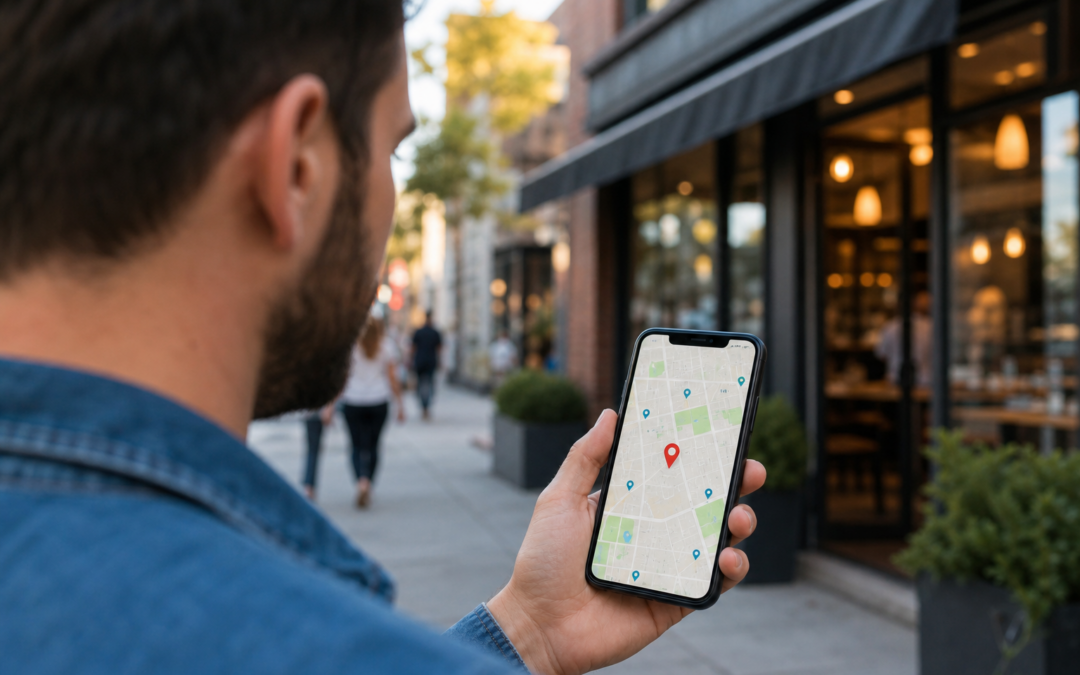
Local SEO puts your business in front of the people who matter most: the customers searching nearby and ready to take action. In a crowded digital world, showing up at the right moment can mean the difference between being overlooked and becoming the trusted choice in your community.
For businesses that want stronger visibility, more qualified leads, and lasting local impact, a smart Local SEO strategy creates the connection between online searches and real-world growth.
Why Local SEO Matters More Than Ever
When people need a service, product, or solution close to home, they rarely waste time scrolling endlessly. They search with intent, compare options quickly, and choose the business that feels most visible, credible, and convenient.
That is where Local SEO becomes a defining advantage. It helps brands claim space in the exact moments that influence action, from map searches and mobile queries to “near me” results and location-based recommendations.
For businesses competing in a specific city, neighborhood, or service area, local search optimization is no longer optional. It is one of the most practical ways to increase search visibility, improve website traffic, attract high-intent visitors, and strengthen trust with the audiences most likely to convert.
A well-executed Local SEO strategy supports the entire customer journey. It helps businesses appear where local customers are already looking.
The Real Power of Local Search Intent
Not every search comes from the same level of urgency. Someone searching for a broad topic may still be researching, but a local search often carries immediate intent.
Terms like “best marketing agency near me,” “local SEO services,” or “digital marketing in my area” signal a person who is closer to making a decision. That sense of urgency is what makes local keyword targeting so valuable.
Businesses that optimize for local search terms can connect with people who are not just browsing, but actively seeking a nearby solution. This is why location pages, geo-targeted content, local landing pages, and region-specific keyword research play such an important role in modern SEO strategy.
When search engines recognize a business as relevant to a particular place, they are more likely to surface it in the local pack, on Google Maps, and in organic local search results. That visibility can create a direct path to phone calls, appointment requests, store visits, and revenue.
Core Elements of a Strong Local SEO Strategy
Local SEO works best when every signal supports location relevance and business credibility. While search engine algorithms continue to evolve, several foundational elements remain essential.
Google Business Profile Optimization
A properly optimized Google Business Profile is one of the strongest assets in local search marketing. Accurate business information, updated hours, service categories, photos, and reviews all help search engines—and potential customers—understand who you are and where you operate.
Incomplete or outdated listings can weaken trust and reduce visibility. A polished profile, on the other hand, sends strong local ranking signals and helps encourage engagement directly from search results.
Consistent NAP Information
Name, address, and phone number consistency matters across every digital platform. Whether a business appears in online directories, social platforms, map listings, or review websites, that contact information should be identical everywhere.
Small inconsistencies can confuse search engines and reduce confidence in the legitimacy of a local business. Accurate citations help support authority, strengthen local rankings, and make it easier for people to contact the business without friction.
Local Keyword Research
Local keyword research goes beyond simple search volume. It identifies the exact phrases people use when looking for services in specific regions.
That may include city names, neighborhood references, ZIP codes, or local landmarks. These keywords should be integrated naturally into page titles, headings, meta descriptions, service pages, blog content, image alt text, and internal links.
The goal is not to force local terms into every sentence. It is to create clear relevance that search engines can understand.
Location-Specific Content
Search engines reward relevance, and one of the best ways to build relevance is through location-specific content. Businesses can create pages or blog posts that address local problems, trends, services, or community needs.
This approach helps establish topical authority while also expanding opportunities to rank for long-tail local keywords. If you want to strengthen content strategy further, explore helpful insights from the RP Summit blog at Our Blog.
You can also connect your local content planning with broader search trends by referencing other articles from the same resource hub. This includes posts focused on SEO growth, content marketing, and digital visibility.
Reviews Build More Than Reputation
Online reviews are one of the most emotional and influential parts of Local SEO. People want reassurance before they commit, and reviews provide that confidence.
They serve as modern word-of-mouth, shaping how customers feel before they ever click through to a website. Positive reviews contribute to stronger local trust signals and can improve click-through rates in search results.
They also provide fresh user-generated content tied to local keywords, service quality, and customer experience. Encouraging satisfied clients to leave thoughtful feedback can support both rankings and conversions.
Responding to reviews is equally important. It shows attentiveness, care, and professionalism.
Even when the feedback is negative, a measured response can help preserve credibility and demonstrate accountability.
On-Page SEO Still Shapes Local Performance
Local SEO is often associated with maps and listings, but website optimization remains critical. A site should clearly communicate service areas, location relevance, and business expertise.
This means every major page should have strong on-page SEO fundamentals, including:
- Optimized title tags with local keywords
- Clear H1 and H2 headings
- Fast-loading mobile-friendly design
- Structured internal linking
- Strong calls to action
- Schema markup for local business data
Search engines want to send users to pages that are useful, relevant, and easy to navigate. If a site is slow, confusing, or thin on information, even strong local signals may not be enough to sustain top performance.
For businesses building a stronger digital foundation, reviewing related content on the RP Summit blog can be valuable. Articles on content optimization and search strategy from Our Blog can help connect local efforts with broader online marketing goals.
Mobile Search Has Changed the Local SEO Landscape
Local search and mobile behavior are deeply connected. People search while walking through downtown areas, sitting in their cars, comparing businesses in real time, or trying to make quick decisions between appointments.
That means mobile usability is not a secondary detail. It is central to local search success.
A mobile-optimized website should load quickly, display location details clearly, and make contact actions easy.